Syphilis

There has been an increase in Syphilis cases in Doncaster, and anyone who is sexually active is at risk. Many people do not realise they have it.

Syphilis is treatable, but can be difficult to spot, as the symptoms can look like other illnesses. They may also go away even though the infection is still there.

Getting tested and treated early can prevent long- lasting or even permanent effects. Testing is quick, free, discreet, and easy.

This page will explain all you need to know about symptoms, treatment, and how to get tested.

What is syphilis?

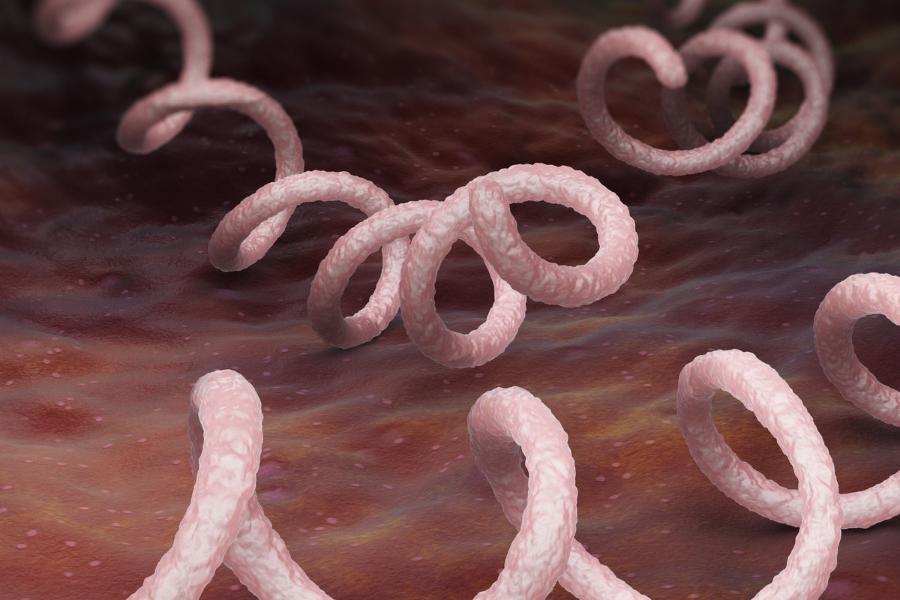
Syphilis is a sexually transmitted infection (STI). It is usually caught by having vaginal, anal or oral sex, without a condom, with someone who is infected. It is also possible for syphilis to be passed on to an unborn baby during pregnancy (known as congenital syphilis).

Not everyone who catches syphilis will show symptoms, or the symptoms will go away even though the person still has syphilis. This makes it easier for it to be passed on to others, without realising. It also means people can be infected for a long time without knowing.

Syphilis is sometimes called ‘The Great Pretender’, as the symptoms can look like signs of other illnesses (e.g. flu), be quite mild, or go away by themselves – even though the infection is still there, causing harm.


Common Symptoms

Who can catch Syphilis?

Anyone of any age can catch Syphilis if they have sex of any kind (oral, vaginal, anal) without a condom with someone who is carrying the infection (remember, many people with Syphilis do not know they have it, and they may not show any symptoms).

What is the treatment?

Antibiotics are used to treat Syphilis. A sexual health clinic, or your GP, will be able to discuss treatment options with you if you are diagnosed as having Syphilis.

How serious is Syphilis?

Left untreated, Syphilis can progress and cause serious and sometimes permanent effects to your organs, and even death. Syphilis during pregnancy can cause serious harm to an unborn baby. That’s why it’s really important to get tested so that, if you have Syphilis, it can be found and treated as soon as possible.

How can I
get tested?

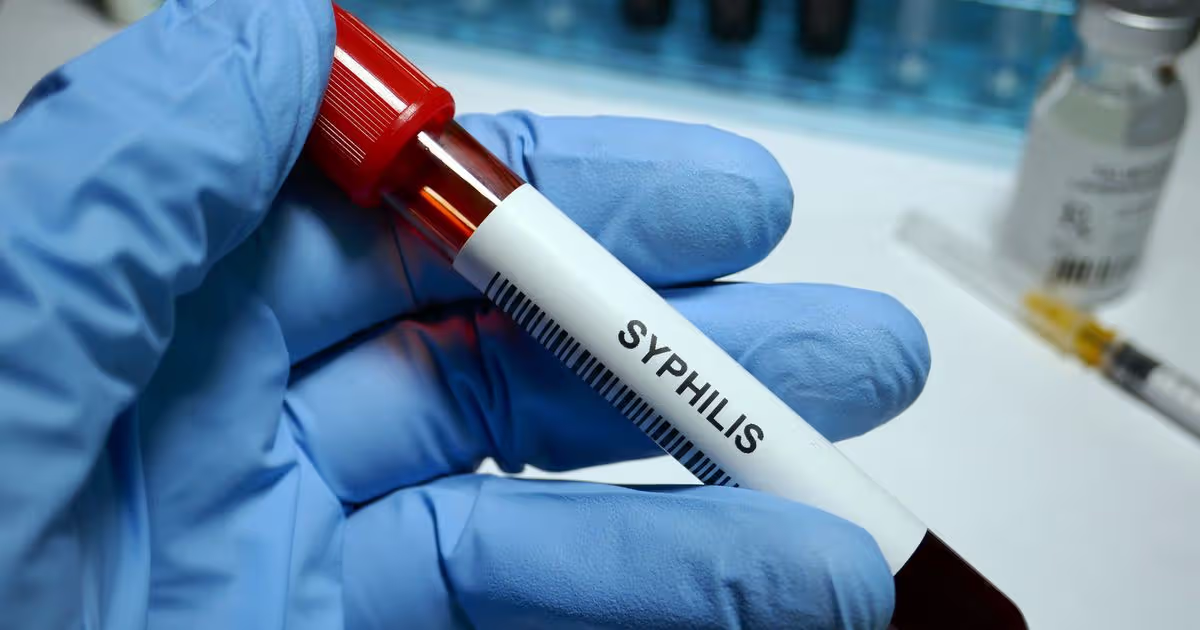
Syphilis can be tested for with a simple blood test, or sometimes a swab from an ulcer or rash. There are three main ways you can get tested:

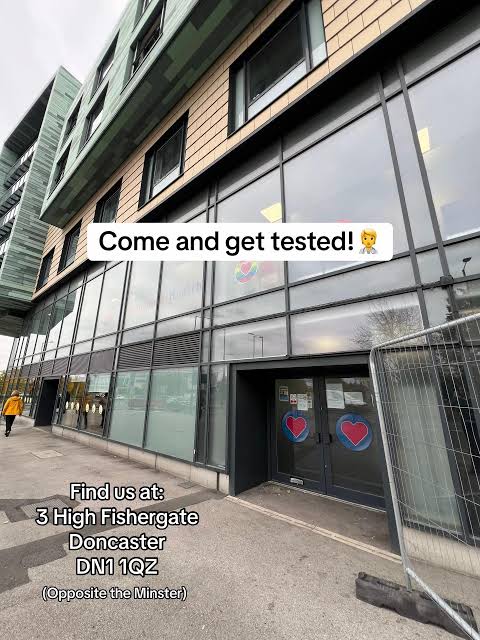
Anyone can get tested for free quickly, easily, and without judgement at our Sexual Health Service (Sexual Health Services 4 Doncaster). You can make an appointment by calling: 01302 272165.

Coming to the clinic is discreet, and always free from judgement.

If you’d rather not get tested in person, you can order a free home-testing kit, which can be delivered to your address in discreet packaging. Look for the ‘Order free STI test’ button (pictured below) on the website.

GP practices can also test for Syphilis.

Did you know…?

It is actually recommended to have a full Sexually Transmitted Infection (STI) screening at least every 12 months if you’re in a committed relationship, or each time you have sex with a new partner.

Condoms can protect you from catching STIs, including Syphilis.

Young people’s health and wellbeing (Zone 5 to 19) – Rotherham Doncaster and South Humber NHS Foundation Trust (RDaSH)